NIS2 Checklist for SMEs: 10 Controls to Implement Now
NIS2 checklist for SMEs: 10 technical and organizational controls to implement now to improve resilience, evidence, and compliance readiness.
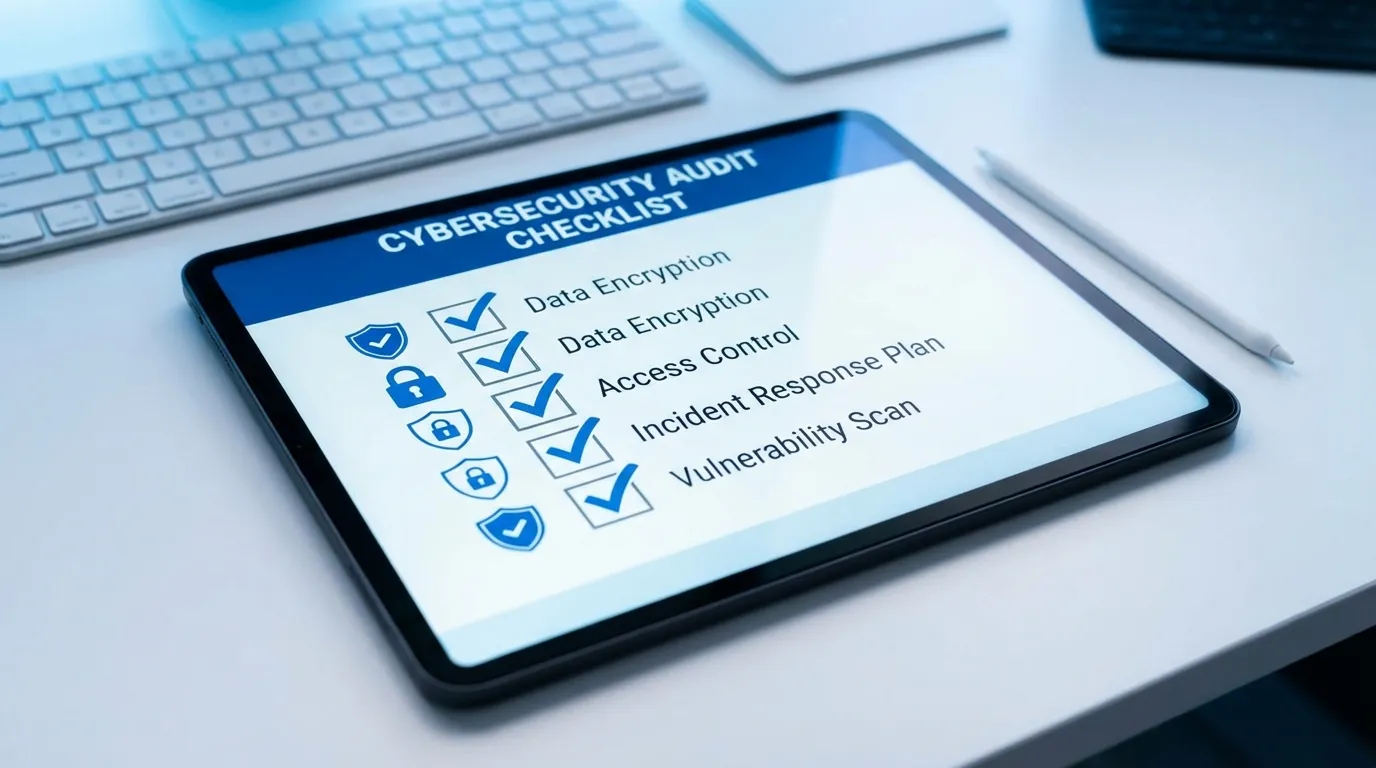
If an SME waits for a formal audit before improving security, it is already late. The practical value of NIS2 is that it forces companies to make a small set of controls visible, repeatable, and defensible.
Below is a practical checklist focused on what usually matters first.
1. Asset inventory
Know which servers, endpoints, network devices, and cloud services you actually operate. You cannot secure systems that nobody has formally mapped.
2. Managed perimeter control
Use a properly maintained firewall or managed perimeter service. Exposed admin services and stale rules are still one of the fastest ways into an SME environment.
3. VPN and MFA for remote access
Every remote user and every administrative path should be protected by MFA and routed through controlled access, not directly exposed services.
4. Centralized and trustworthy logging
Collect logs in one place and retain them long enough to support investigations, reporting, and audits. Remote access, privileged changes, and perimeter events should be included.
5. Tested backup and restore
Backups do not count unless they can be restored. Test them, document them, and separate them from the production environment.
6. Incident response process
The company should know who decides, who investigates, who communicates, and how escalation works when something serious happens.
7. Patch and vulnerability handling
Critical systems need a documented process for updates, prioritization, exceptions, and unresolved exposure.
8. Network segmentation
Not every device should be able to talk to every other device. Segmentation reduces blast radius and slows down lateral movement.
9. Supplier and dependency review
Many SMEs depend on external IT providers, cloud tools, and contractors. Those dependencies should be identified and reviewed, especially where access or service continuity is involved.
10. Staff awareness
Basic cybersecurity awareness still matters. Users should know how to report phishing, suspicious access prompts, or unusual file behavior.
What to do with this checklist
Do not treat it as a paperwork exercise. Mark each point as:
- implemented and documented
- partially implemented
- not implemented
Then prioritize the controls that reduce exposure fastest:
- perimeter
- remote access
- logs
- backup
- incident response
That sequence usually gives the highest return for SMEs.